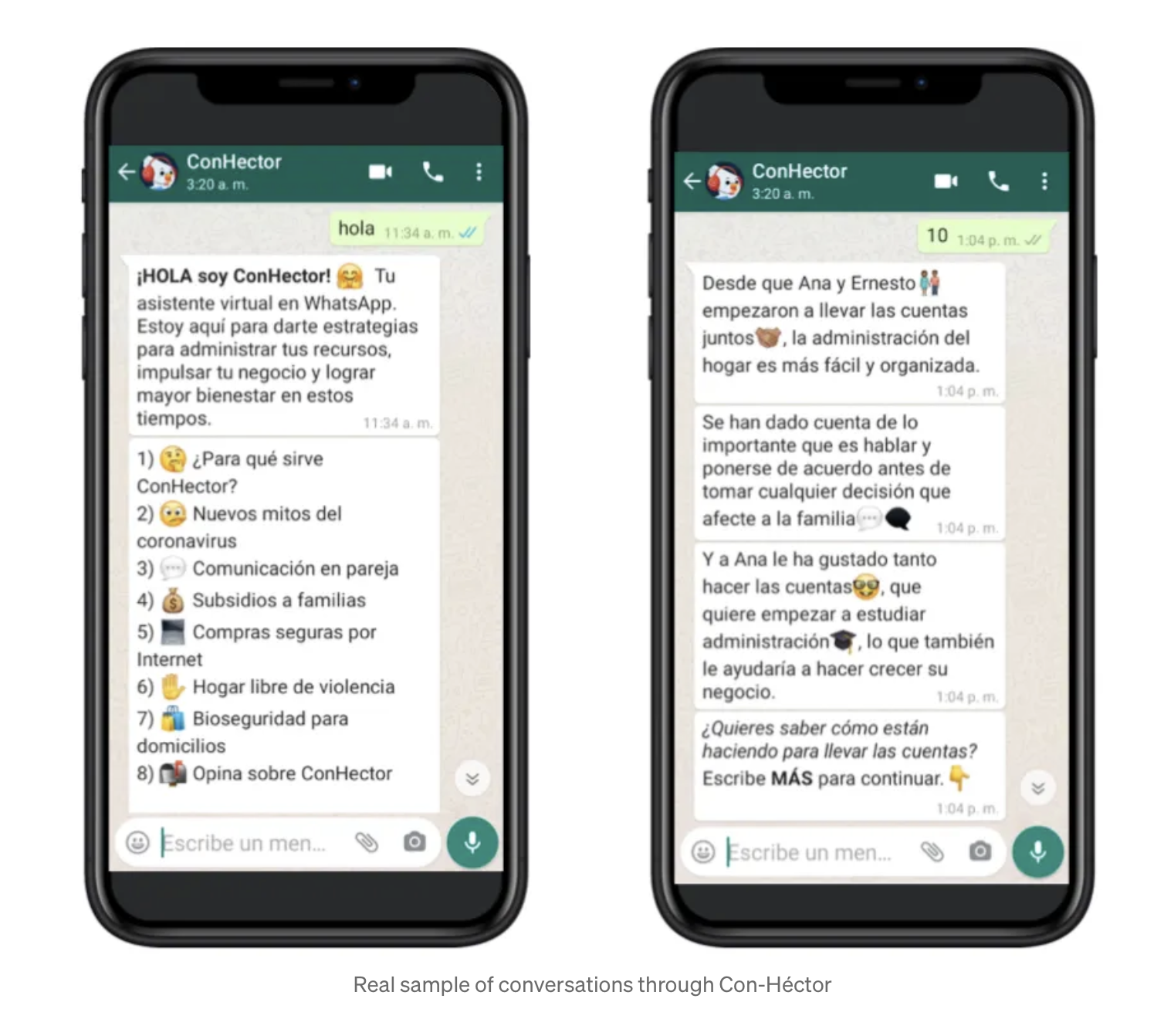
During the pandemic, the digital divide became a chasm. While the world moved online, millions of vulnerable people across Latin America were left behind. Fundacion Capital's ConHector, a free WhatsApp virtual assistant, bridges this gap by delivering personalized recommendations on finance, health, and economic opportunity to people living in poverty.
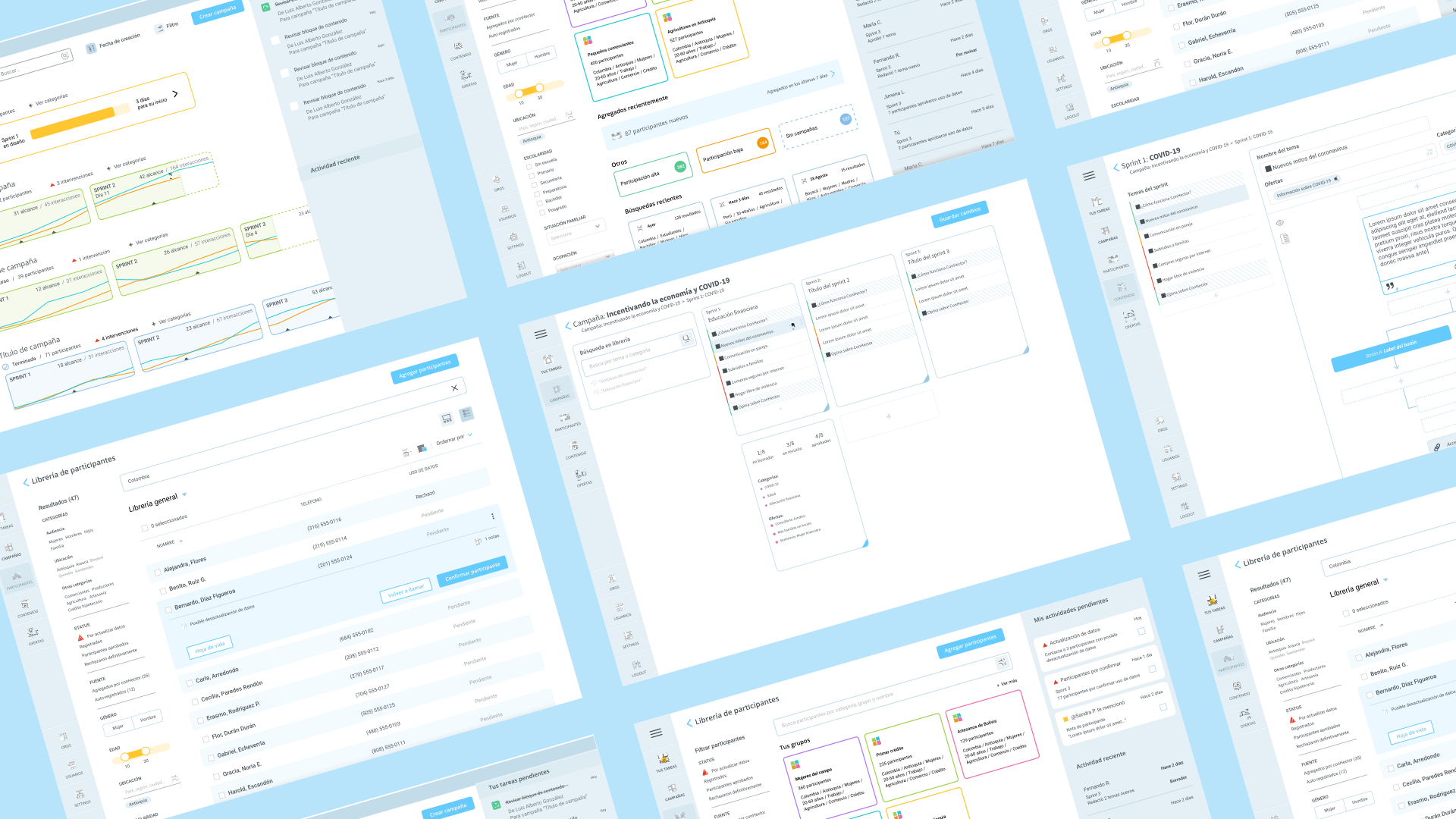
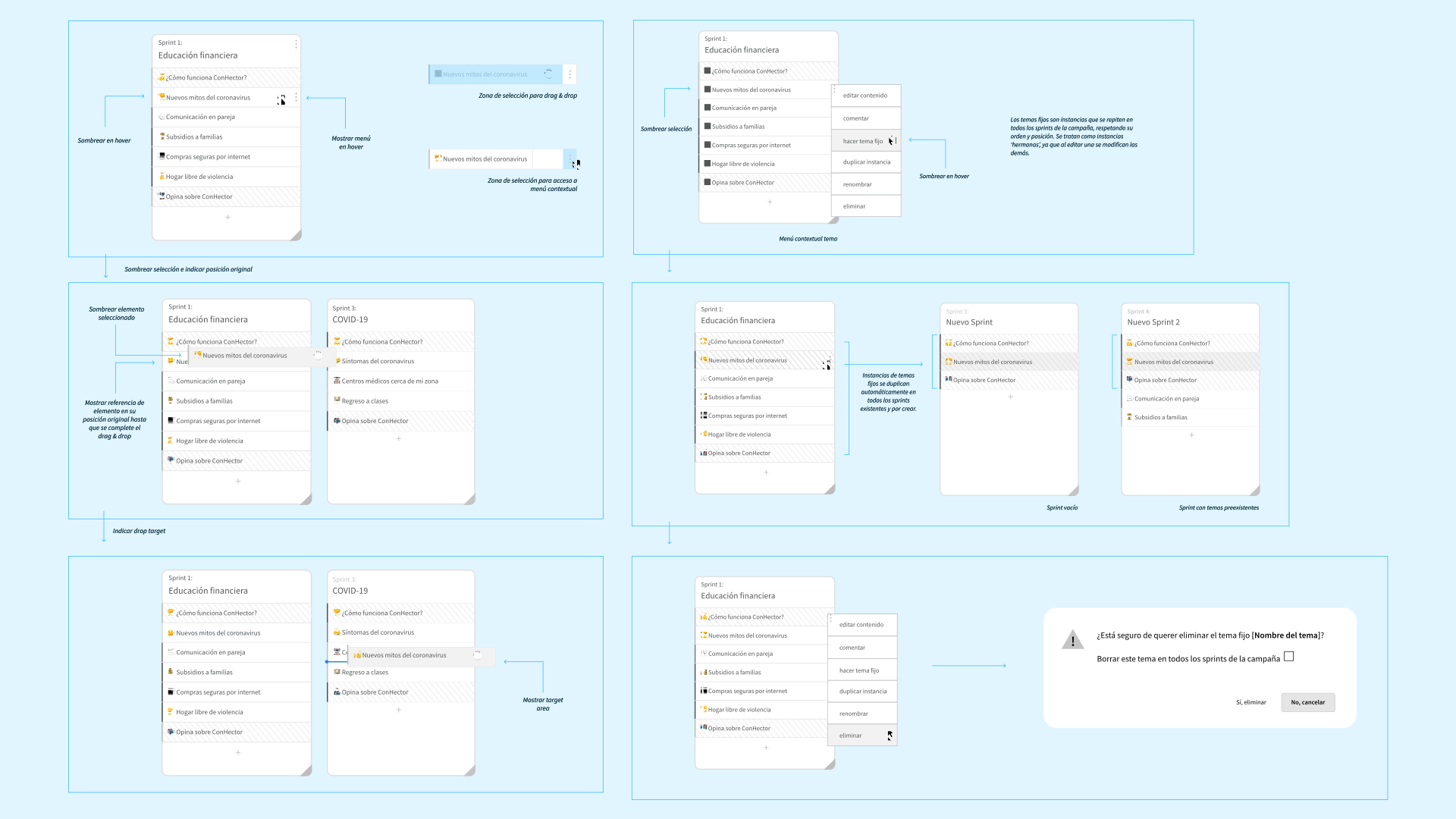
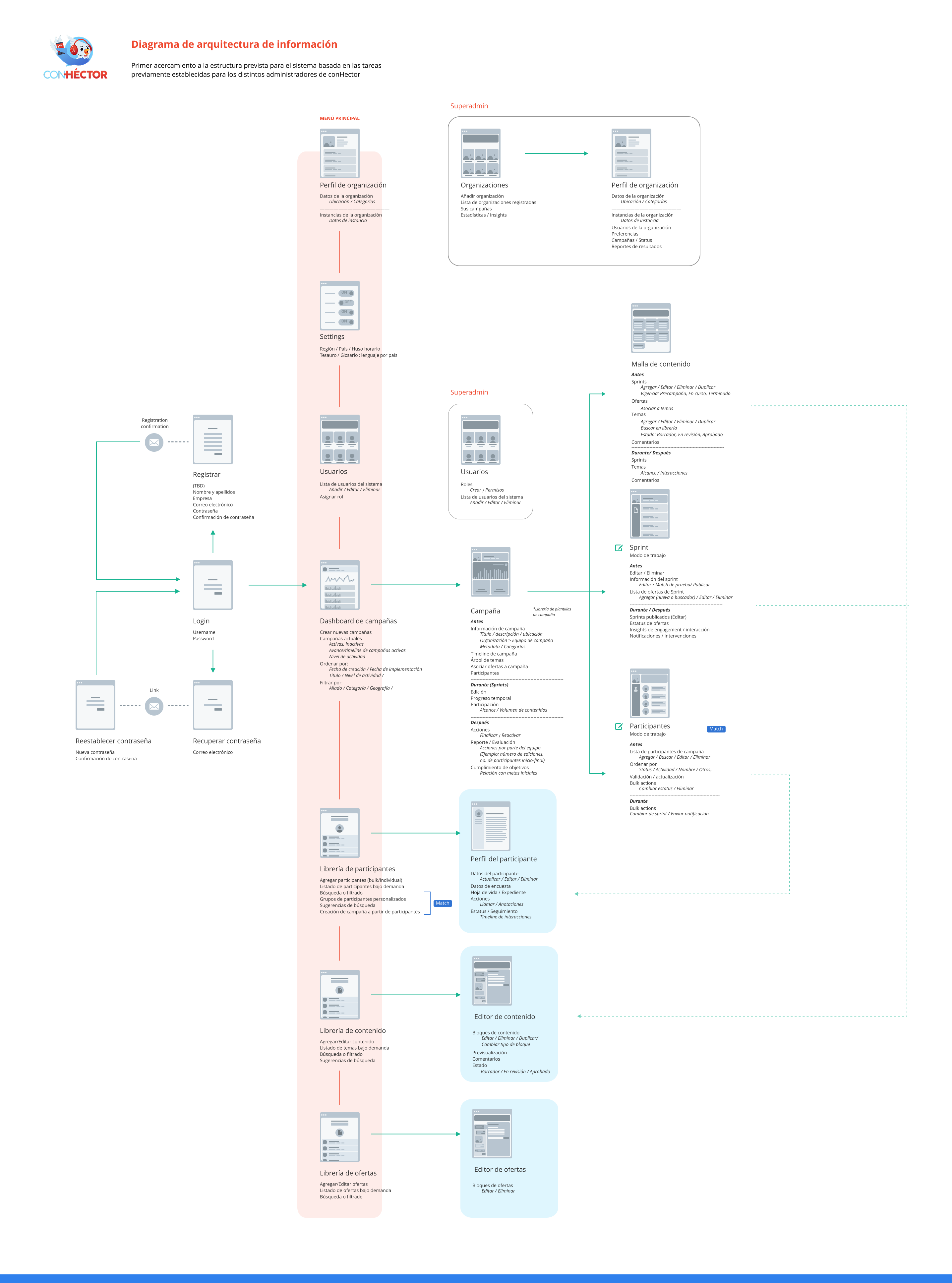
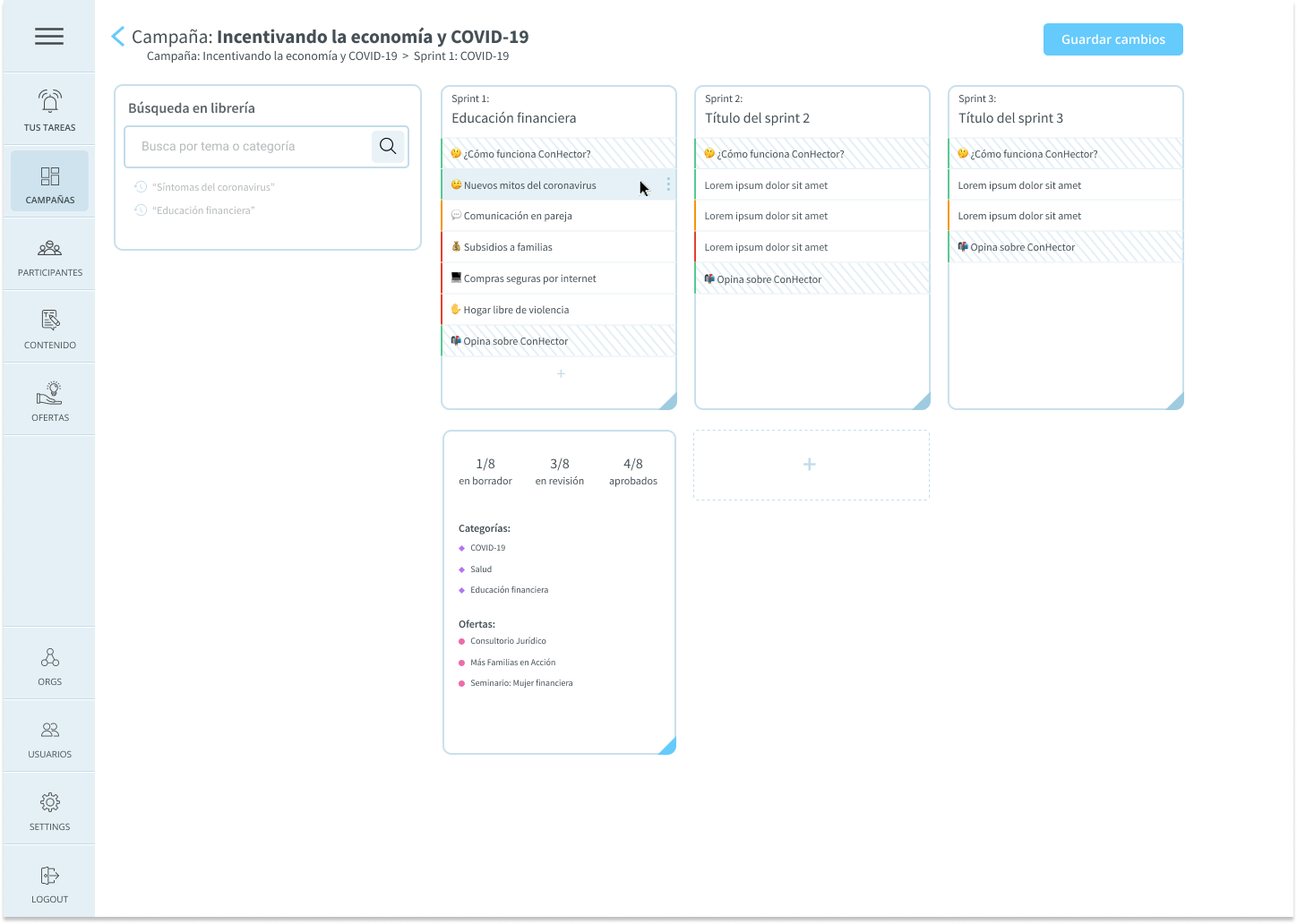
As a junior UX designer, I conducted user research and designed the content management workflows for ConHector's CMS, creating intuitive tools that enable non-technical teams to independently build, edit, and deploy multimedia chatbot content.
To bridge the gap of limited digital literacy, unreliable information access, and minimal contact with the digital economy, Fundacion Capital created ConHector, a free virtual assistant available 24/7 on WhatsApp and Facebook Messenger. ConHector delivers practical, personalized recommendations on finance, health, education, income generation, and more, helping people living in poverty make informed decisions and improve their quality of life.
There was a bottleneck. Behind ConHector's conversational interface was a manual, fragmented content management process. Creating campaigns required technical expertise, making it nearly impossible for partner organizations to replicate the platform independently.
How might we design a self-service CMS that empowers non-technical teams to create, manage, and measure conversational campaigns independently?